
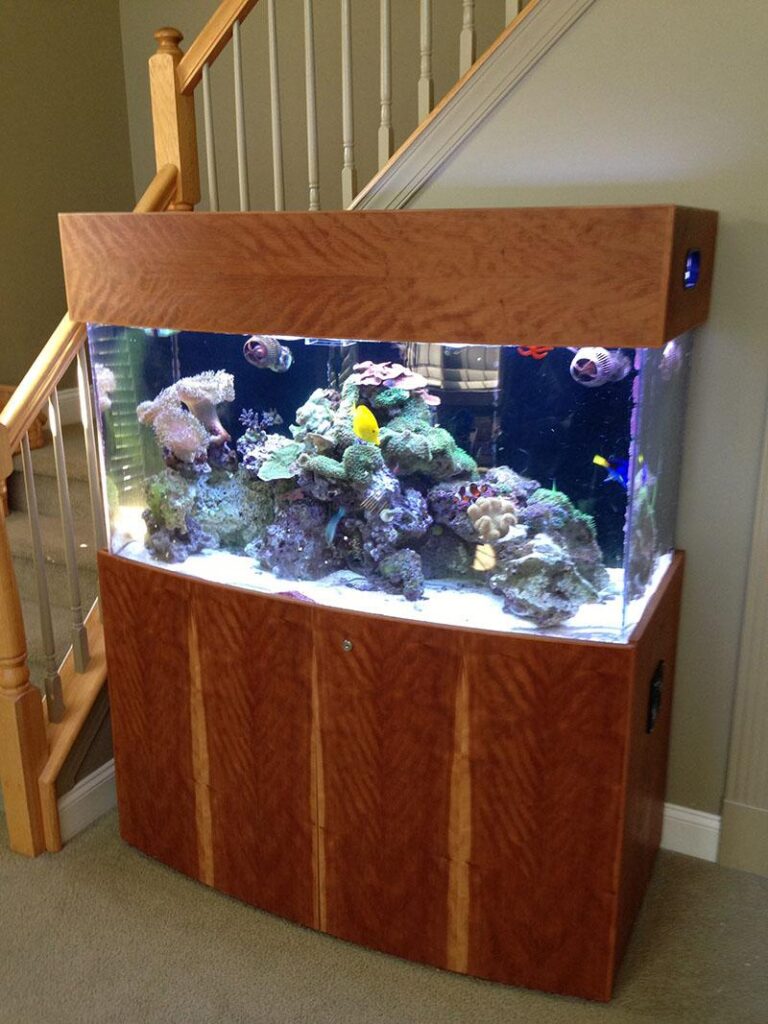
Regular water changes are the single most important habit in aquarium care, yet it’s one of the most common questions we hear: how often to change aquarium water, and how much? The honest answer depends on your tank’s size, how many fish it holds and what kind of system you keep. This guide gives you a practical starting point and explains how to tell when your tank needs attention sooner.
Key Takeaways
- Most tanks do well with a partial water change every one to two weeks.
- Changing 10 to 25 percent at a time is a common, safe range for many tanks.
- Heavily stocked tanks, small tanks and reef tanks usually need more frequent changes.
- Match the new water’s temperature, and for saltwater tanks its salinity, before adding it.
- A consistent schedule matters more than an occasional big change.
How Often Should You Change Aquarium Water?
For most home aquariums, a partial water change every one to two weeks is a sensible routine. Many keepers replace 10 to 25 percent of the water at a time. Lightly stocked tanks with good filtration can sometimes stretch longer between changes, while busy tanks need them more often.
Why does it matter? Fish produce waste that breaks down into ammonia. Beneficial bacteria convert that ammonia into nitrite and then nitrate. Nitrate is far less harmful, but it still builds up over time, along with dissolved waste and minerals. Water changes are what remove it.
How Much Water Should You Change?
Smaller, regular changes are gentler on fish than large, infrequent ones. Swapping out a big portion of the water at once can shift temperature, pH and other conditions quickly, which stresses livestock.
A good rule of thumb:
- Routine maintenance: 10 to 25 percent every one to two weeks.
- Catching up after a missed schedule: a few smaller changes over several days rather than one large change.
- After a problem, such as a fish loss or overfeeding: a partial change right away, then test the water.
Freshwater vs Saltwater and Reef Tanks
Freshwater tanks are the most forgiving. A steady weekly or biweekly routine keeps most of them in good shape.
Saltwater and reef tanks need a little more care. The new water must be mixed to the right salinity and brought to the right temperature before it goes in. Corals are sensitive to sudden changes, so consistency matters even more. Our guide to reef tank maintenance covers the routine in more detail.
Water Change Schedules by Tank Type
Every tank is different, but these starting points work for many setups:
- Lightly stocked freshwater tank: about 10 to 20 percent every two weeks.
- Average community freshwater tank: about 15 to 25 percent every week or two.
- Heavily stocked or large predator tank: smaller, more frequent changes, often weekly.
- Small tanks under about 10 gallons: weekly changes, since waste builds up quickly in less water.
- Reef tanks: consistent weekly or biweekly changes with carefully mixed saltwater.
Use these as a starting point, then adjust based on your water tests. If nitrate keeps climbing between changes, change a little more water or change it more often. If tests stay steady, your schedule is working.
It also helps to think about the whole routine, not just the water. Rinsing filter media in removed tank water, wiping algae from the glass and checking that the heater and pumps are running all fit naturally into water change day. Building those small checks into one routine is what keeps a tank healthy long term.
Signs Your Tank Needs a Water Change
Even with a schedule, watch for clues that the tank needs attention sooner:
- Cloudy, yellow or tinted water
- A film on the surface or an unusual smell
- Algae growing faster than usual
- Fish breathing hard, hiding or losing color
- Water tests showing rising nitrate
If you notice any of these, a partial water change is usually a good first step, followed by a water test.
How to Do a Water Change Safely
A careful routine protects your fish:
- Unplug heaters and filters before lowering the water level.
- Use a gravel vacuum to siphon water and pull debris from the substrate.
- Prepare new water ahead of time: treat tap water with a water conditioner and match the tank’s temperature.
- For saltwater tanks, mix and test the new water’s salinity before adding it.
- Refill slowly, then plug equipment back in once the water level is back up.
For step-by-step cleaning tips, see our guide on how to clean a fish tank, and our aquarium maintenance tips for more routine care advice.
Frequently Asked Questions
How often should I clean my fish tank?
Most tanks benefit from a light cleaning, including a partial water change and glass wipe, every one to two weeks. Filters and decorations can usually be cleaned less often.
Can I change too much water at once?
Yes. Very large changes can shift water conditions quickly and stress fish. Smaller, regular changes are safer.
Do I need to remove my fish during a water change?
No. Partial water changes are done with the fish in the tank.
Is tap water safe for water changes?
Tap water usually needs a conditioner to neutralize chlorine or chloramine. Saltwater tanks often use purified water mixed with salt.
Let Armco Aquatics Handle Your Water Changes
If keeping up with water changes is a challenge, Armco Aquatics offers weekly, biweekly and monthly aquarium maintenance plans. Every visit includes water testing, algae removal, filter and water changes, a health evaluation and preventive equipment maintenance. We serve homes and businesses across Delaware, Pennsylvania, New Jersey and Maryland. Call us at 302.655.1150 or contact Armco Aquatics to schedule a consultation.
Leave a Reply