
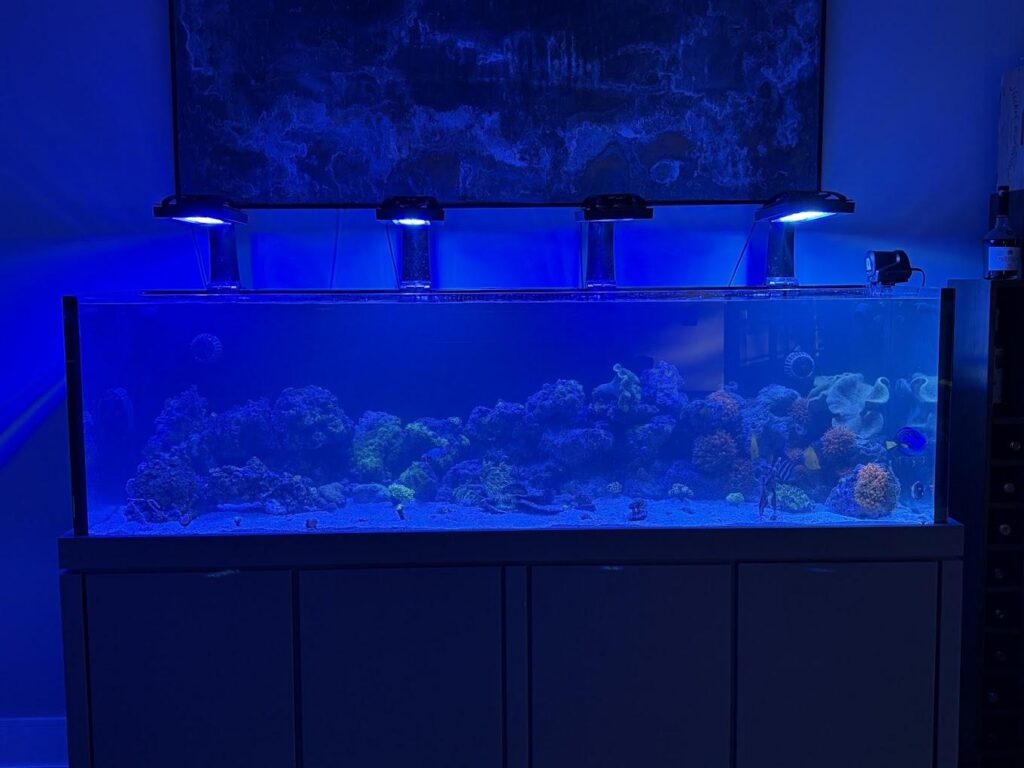
Winter storms in the Delaware Valley can knock out power for hours or even days. For aquarium owners, that means heaters, filters and air pumps all stop at once. An aquarium power outage doesn’t have to end in losses, though. With a few supplies on hand and a clear plan, you can keep your fish warm, oxygenated and healthy until the lights come back on.
Key Takeaways
- Oxygen and temperature are the two biggest risks during an outage.
- Insulate the tank with blankets or foam board to slow heat loss.
- A battery-powered air pump is the most useful backup you can buy.
- Stop feeding during the outage to keep waste and ammonia low.
- After power returns, check equipment, temperature and water quality before life gets back to normal.
How Long Can Fish Go Without Power?
A healthy, lightly stocked tank can usually ride out a short outage of a few hours without much trouble. The risk climbs as the hours pass and the room cools. Heavily stocked tanks, reef tanks and tanks with warm-water species are the most sensitive, because they lose heat and oxygen faster and depend more on steady water movement.
How fast trouble starts depends on the tank’s size, its stocking level, the room temperature and the species you keep. Larger tanks hold their temperature longer than small ones, which buys you time.
What to Do in the First Few Hours
Stay calm and focus on what matters most:
- Turn off or unplug equipment so nothing surges when power returns.
- Cover the tank with blankets, towels or foam board to hold in heat. Leave a gap at the top for air exchange.
- Start a battery-powered air pump with an air stone to keep oxygen in the water.
- Skip feeding. Fish handle a few days without food far better than they handle a spike in waste.
- Check the temperature every few hours with a stick-on or battery thermometer.
If you don’t have a battery air pump, gently scooping water out and pouring it back in from a short height every so often helps move oxygen into the water.
Keeping Water Warm and Oxygenated
Cold is the main threat in a winter outage. Keep the tank covered, keep the room closed off, and avoid opening the lid more than you need to. If the temperature keeps falling, you can float sealed bottles of warm (not hot) water in the tank to slow the drop. Never add boiling water directly to the tank.
Oxygen matters just as much. Without a filter or air pump moving the surface, oxygen levels slowly fall. Water movement also keeps the beneficial bacteria in your filter alive. Those bacteria convert toxic ammonia from fish waste into less harmful compounds. If the filter sits still for a long time, that bacteria colony can suffer, so plan to watch water quality closely afterward.
Build a Simple Outage Kit
The best time to prepare is before the first storm of the season. Keep these items together near your aquarium so you aren’t searching in the dark:
- A battery-powered air pump, airline tubing and an air stone
- Spare batteries, checked at the start of winter
- A battery-powered or stick-on thermometer
- Blankets, towels or a few sheets of foam board cut to fit the tank
- A flashlight or headlamp
- A clean bucket and a siphon, in case you need to do a water change afterward
- Our phone number, if your tank is on a maintenance plan
If you keep a reef or a large display, it’s also worth talking with a professional about which pieces of equipment matter most to keep running, so any backup power you buy goes to the right place.
Backup Power Options
A little preparation goes a long way:
- Battery-powered air pumps: affordable, simple and the best first purchase for most owners.
- Battery backup units (UPS): can keep a small air pump or powerhead running for a period of time.
- Portable generators: can run heaters and filtration during long outages, but they must be used safely.
If you use a generator, follow generator safety guidance from FEMA: run it outdoors only, at least 20 feet from your home and away from windows, and never in a garage or basement. No aquarium is worth a carbon monoxide risk to your family.
What to Check When the Power Comes Back
Once power is restored, bring your system back carefully:
- Plug equipment back in one piece at a time and make sure everything restarts.
- Check the water temperature and let the heater bring it back up gradually.
- Test ammonia and nitrite over the next few days, since the filter bacteria may have taken a hit.
- Watch your fish for gasping, hiding or loss of appetite.
- Resume light feeding once fish are active and the water tests look normal.
For tanks on one of our weekly, biweekly or monthly aquarium maintenance plans, our technicians test the water and check equipment on every visit, which makes it easier to catch problems after an outage. You’ll find more ideas in our aquarium maintenance tips.
Frequently Asked Questions
Can fish survive a power outage?
Yes, in most cases. Keeping the tank insulated, adding a battery air pump and skipping feedings gives fish a very good chance of coming through a short outage just fine.
Should I feed my fish during a power outage?
No. Without filtration, extra food turns into waste and ammonia. Most healthy fish can go several days without eating.
How do I keep my fish tank warm without power?
Wrap the tank in blankets or foam board, keep the room closed, and float sealed bottles of warm water in the tank if the temperature keeps dropping.
Do saltwater and reef tanks need special care in an outage?
Reef tanks rely heavily on water movement and stable temperature, so they’re more sensitive. Prioritize an air pump or a battery backup that can run a powerhead.
Prepare Your Aquarium With Armco Aquatics
Armco Aquatics designs, installs and maintains aquariums for homes and businesses across Delaware, Pennsylvania, New Jersey and Maryland. If you’d like help planning backup air and heat for your tank, or a maintenance plan that keeps an eye on things all year, call us at 302.655.1150 or contact Armco Aquatics to schedule a consultation.
Leave a Reply